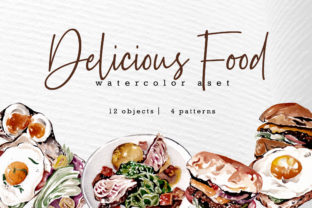
Foody Watercolor and Pattern Illustrations
As a digital product creator who has spent years curating assets for Etsy, Creative Fabrica, and Shopify stores, I approach every new graphic design asset with a critical eye. The market is saturated, and the difference between a best-selling listing and a forgotten download often comes down to the quality and versatility of the underlying illustrations. Recently, I acquired Foody Watercolor and Pattern to test its viability for my upcoming seasonal collection. My goal was simple: determine if this specific set could elevate a standard printable design into a premium commercial product or if it would struggle under the scrutiny of modern buyers.
First Impressions and Visual Personality
Upon opening the file folder, the immediate mood of Foody Watercolor and Pattern is warm, inviting, and distinctly handmade. The watercolor textures provide a softness that is currently in high demand among buyers looking for organic, rustic, or cottage-core aesthetics. Unlike flat vector graphics which can sometimes feel sterile, these illustrations carry a sense of depth and imperfection that resonates with the "handmade business" crowd. The color palette feels versatile enough to work for both feminine nursery prints and bold kitchen decor, but the true strength lies in how the patterns interact with the standalone clipart elements.
For a small business owner targeting the foodie niche, this asset offers a visual personality that suggests freshness and artisanal quality. It does not scream "corporate stock photo"; instead, it whispers "homemade with love." This distinction is crucial when building brand identity on platforms like Instagram or Pinterest, where aesthetic consistency drives engagement. The illustrations feel playful yet sophisticated, making them suitable for everything from greeting cards to high-end packaging design.
Real-World Application for Digital Sellers
The true test of any digital download is how well it translates into sellable products. I began by importing Foody Watercolor and Pattern into my workflow to create a range of potential listings. For print-on-demand sellers, the PNG designs are immediately useful for t-shirt graphics, mug designs, and tote bag prints. The watercolor edges blend naturally onto fabric mockups, avoiding the harsh lines that often ruin the illusion of a printed garment.
I also explored using these assets for Cricut projects. While watercolor styles can sometimes be tricky for cutting machines due to their soft edges, the included SVG design files provided clear cut paths for the main shapes. This allows crafters to layer physical vinyl over the printed watercolor background, creating a hybrid sticker design that stands out. For Canva template sellers, the transparency of the PNGs makes them perfect for social media graphics, blog headers, and promotional visuals. You can easily overlay text without worrying about clashing backgrounds, ensuring your visual hierarchy remains clean and readable.
Furthermore, the pattern repeats within Foody Watercolor and Pattern open up opportunities for digital paper packs and scrapbooking kits. These can be bundled as a design bundle to increase perceived value. Imagine a planner sticker sheet featuring these food illustrations; the organic shapes fit perfectly into bullet journal layouts, appealing to the massive stationery community on Etsy.
Enhancing Product Presentation and Mockups
In the competitive landscape of creative marketplaces, your thumbnail image is your most valuable real estate. Foody Watercolor and Pattern excels here. When used in product mockups, the rich textures add a layer of professionalism that flat colors cannot achieve. I tested a sublimation design on a tumbler wrap, and the way the watercolor gradients wrapped around the curve added a dynamic, three-dimensional feel to the preview.
Using these illustrations helps establish trust with potential customers. A listing that features high-quality, cohesive imagery suggests that the seller cares about details. Whether you are selling a printable wall art piece or a commercial license for a logo, the visual storytelling provided by these assets elevates the entire shop's aesthetic. It transforms a simple digital product into an experience, increasing click-through potential and conversion rates.
Strategic Limitations and Careful Usage
While Foody Watercolor and Pattern is powerful, it is not a universal solution. As an experienced seller, I must advise caution when using these assets for tiny sticker details. The intricate brush strokes of the watercolor style can get lost when scaled down significantly. If you are designing a micro-sticker pack, ensure the resolution holds up at small sizes, or risk disappointing customers with muddy prints.
Additionally, avoid placing these illustrations on overly complex layouts or dark backgrounds without testing contrast first. Watercolors rely on white space to breathe; crowding them can make the design look messy rather than artistic. For Cricut or Silhouette projects requiring precise cutting lines, verify that the SVG layers are separated correctly. Do not attempt to cut the watercolor texture itself unless you have a specialized printer/cutter setup; use the solid shapes for cutting and the watercolor files for printing only.
Practical Seller Notes and Workflow Tips
To maximize the return on investment for Foody Watercolor and Pattern, follow these practical steps before publishing your listings. First, always test the design on real mockups. A design that looks great on a white screen might appear dull on a beige ceramic mug. Second, check how the assets perform on both white and dark backgrounds to ensure versatility. Third, verify the PNG transparency to guarantee there are no unwanted white boxes around the edges.
If you are offering these as part of a bundle, organize the files clearly for your customers. Label folders logically so they can find the specific illustration or pattern they need instantly. When pairing these graphics with typography, experiment with different font styles. A handwritten font or script font often complements the organic nature of watercolors, while a clean sans serif font can provide a modern contrast. Finally, and most importantly, confirm the commercial licensing terms. Ensure you have the right to sell finished products created with these assets, whether on Etsy, Amazon Merch, or your own Shopify store.
By treating Foody Watercolor and Pattern as a strategic tool rather than just a decoration, you can build a cohesive, professional product line that stands out in the crowded digital marketplace. With careful testing and smart application, these illustrations can become the backbone of your next successful collection.