Loose Watercolor Roses: Illustrations for Crafters
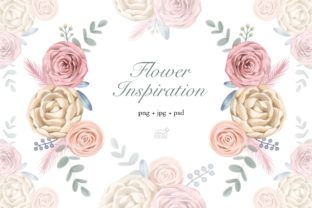
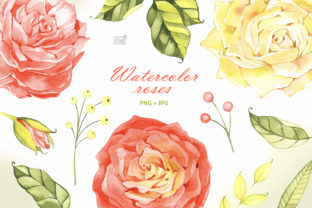
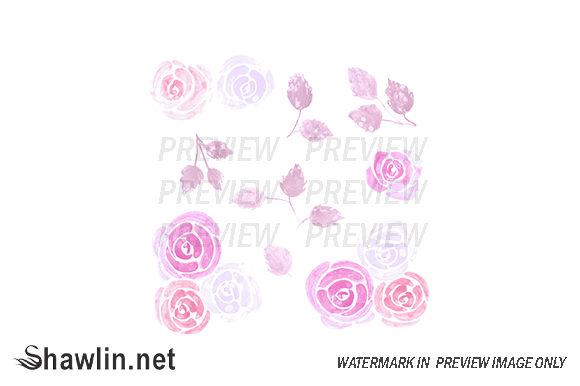
When I first opened the file pack for Loose Watercolor Roses, I was immediately struck by the soft, dreamy quality of the petals. As someone who has spent years designing handmade products for my Etsy shop and local craft fairs, I know that the right graphic design asset can make or break a collection. These illustrations do not feel stiff or overly digital; instead, they capture the organic flow of real watercolor paint. The mood is undeniably feminine and elegant, yet it carries a rustic charm that appeals to customers looking for something with soul. This is not a bold, neon pop-art style; it is a cozy, decorative aesthetic perfect for spring collections, wedding favors, or boutique home decor.
First Impressions and Branding Potential
For small business branding, finding assets that stand out without screaming for attention is crucial. Loose Watercolor Roses offers a premium feel that elevates simple products into heirloom-quality items. When I imagine these on a white ceramic mug or a kraft paper gift bag, the visual personality shifts instantly from generic to curated. The loose brushstrokes suggest a handmade touch, which aligns perfectly with the values of creative entrepreneurs selling on platforms like Etsy or at local markets. If your brand focuses on romance, nature, or gentle aesthetics, this illustration fits seamlessly into your visual identity. It attracts buyers who appreciate detail and artistic flair over mass-produced perfection.
Real-World Crafting Applications
In my workflow, versatility is key. I need to know if an SVG design can handle everything from a quick sticker run to a complex sublimation project. With Loose Watercolor Roses, the possibilities are vast. For Cricut projects and Silhouette projects, these images work beautifully as die-cut vinyl decals. I have used similar watercolor styles for tumbler wraps, where the soft gradients mimic the look of hand-painted glass. The PNG design files are equally valuable for print-on-demand services. Imagine a t-shirt design featuring a single large rose on the chest, or a tote bag adorned with a cluster of these blooms. The transparency in the PNG files ensures that the background remains clean, allowing the colors to pop against any fabric.
Beyond apparel and drinkware, these clipart assets are excellent for stationery. I often create planner stickers and greeting cards for my seasonal bundles. The delicate lines of Loose Watercolor Roses translate well to paper, making them ideal for scrapbooking layouts and journaling prompts. You can also use them to create printable wall art, offering a low-cost digital product option for your online store. For those attending craft fairs, having a cohesive set of gift tags and thank-you cards featuring these roses creates a professional unboxing experience for your customers.
Where the Asset Shines Brightest
This graphic design asset works best when given space to breathe. Large cut files allow the intricate watercolor details to be appreciated fully. On a large canvas print or a substantial vinyl decal for a nursery window, the texture of the brushstrokes becomes a focal point. Clean printable layouts also benefit from this style; because the edges are soft, they blend naturally into white backgrounds without harsh borders. Seasonal craft bundles are another strong contender. Pairing these roses with script fonts or floral wreaths creates a stunning design bundle for Mother's Day, Valentine's Day, or bridal showers. They serve as beautiful decorative accents on packaging, turning a simple box into a gift-ready presentation.
Crafting Challenges and Technical Considerations
While Loose Watercolor Roses is a fantastic resource, there are specific scenarios where you must exercise caution. Because the style relies on soft edges and color blending rather than hard outlines, very small cutting details can get lost. If you attempt to cut these as tiny vinyl stickers, the fine tips of the leaves or the subtle color variations might not transfer cleanly. Thin lines in the original illustration may struggle during the weeding process of a layered vinyl project. Similarly, crowded compositions can become muddy if you try to fit too many elements into a small space. Low-contrast colors might also pose a challenge if you are printing on dark materials without adjusting the opacity or adding a backing layer.
Before committing to a customer order, always test the file. Check if the SVG lines are clean and if the paths are closed properly for your cutting machine. Preview the PNG transparency to ensure there are no unwanted halos around the petals. For sublimation designs, confirm the resolution is high enough to prevent pixelation when scaled up. Test how the colors look on both white and dark products, as watercolor tones can shift significantly depending on the base material. Always place the design on a real product mockup to visualize the final result before production.
Practical Notes for Handmade Business Owners
As a fellow maker, my advice is to simplify the layout if needed. Sometimes, using just one or two roses looks more sophisticated than a dense bouquet. Pair these illustrations with a serif font for a classic look, a sans serif font for modern minimalism, or a handwritten font to enhance the organic feel. Display fonts can add a dramatic flair for special occasion items. Most importantly, confirm your commercial licensing before using Loose Watercolor Roses for customer orders or handmade business products. Ensure you have the rights to sell physical goods created with these assets. Whether you are creating a new line of mugs, shirts, or digital downloads, respecting the license protects your business and supports the artists behind the creative marketplace.
Ultimately, Loose Watercolor Roses is a powerful tool for the serious crafter. It bridges the gap between digital convenience and the warmth of traditional art. By understanding its strengths and limitations, you can integrate these illustrations into your workflow to create stunning, marketable products that resonate with your audience. From the first sketch to the final sale, these design assets prove that a little bit of artistic flair can go a long way in building a successful handmade business.