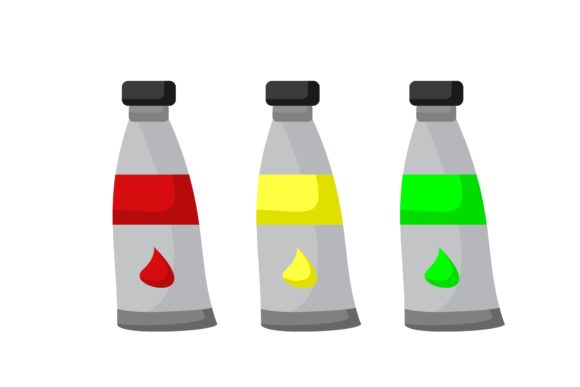
Watercolor for Painting: Illustrations Review
I recently opened a new folder on my desktop labeled "Spring Collection 2024" with the intention of launching a fresh line of digital downloads and print-on-demand merchandise. As an experienced seller, I know that the difference between a listing that gathers dust and one that converts often comes down to the quality and versatility of the core graphic design asset. That is where Watercolor for Painting came into play. Before committing this asset to a full product suite, I needed to evaluate its commercial potential, visual hierarchy, and practical application across various platforms like Etsy, Shopify, and Creative Fabrica.
First Impressions and Visual Personality
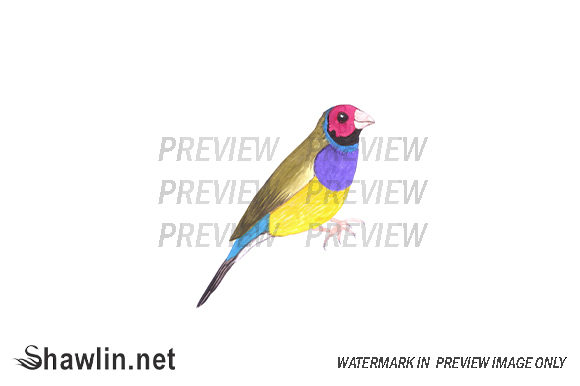
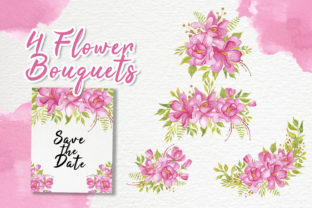
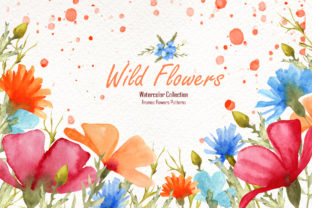
The moment I previewed the files, the mood was immediately clear. Watercolor for Painting exudes a soft, organic elegance that feels distinctly handmade yet polished enough for modern commercial use. Unlike flat vector art that can sometimes feel sterile, these illustrations carry texture and depth. The color palette leans towards gentle pastels and earthy tones, which suggests a strong appeal to buyers looking for nursery prints, feminine branding, or rustic home decor. It does not scream "festive" in a loud way; instead, it whispers "premium" and "thoughtful." This kind of visual personality is crucial when targeting specific niches such as wedding invitations, baby shower kits, or lifestyle blog graphics. For a small business owner trying to establish a cohesive brand identity, having an asset that naturally communicates warmth and creativity is a significant advantage.
Real-World Application Across Product Lines
Testing a digital product requires more than just looking at the file; it demands seeing how it translates into sellable goods. I began by dragging the Watercolor for Painting assets into my design software to test their versatility. First, I explored sublimation designs for mugs and tumblers. The fluid nature of the watercolor style works exceptionally well here, wrapping around cylindrical surfaces without feeling disjointed. Next, I moved to apparel. Creating a t-shirt design using these illustrations required careful placement to ensure the details remained visible against fabric textures, but the result was a high-quality, artistic tee that stands out in a crowded marketplace.
Beyond physical products, the utility for digital downloads is immense. I created a set of printable wall art pieces, scaling the illustrations to fit standard A4 and 8x10 inch formats. The resolution held up perfectly, making them viable as instant digital downloads. I also experimented with planner stickers and greeting card templates. The organic edges of the watercolor style make them ideal for scrapbooking kits and sticker designs, adding a touch of realism that rigid shapes cannot achieve. Furthermore, integrating these elements into Canva templates for social media graphics allowed me to create professional-looking promotional visuals for clients who need consistent branding without hiring a full-time designer.
Enhancing Product Presentation and Click-Through Rates
In the competitive landscape of online selling, your thumbnail is your storefront. I tested how Watercolor for Painting performed in product mockups. When placed on a clean white background, the colors popped, creating a high-contrast image that draws the eye immediately. This is vital for increasing click-through rates on platforms like Etsy. I also used the assets to create seasonal bundles, pairing different variations of the illustrations to show customers the range of options available. By grouping these into a design bundle, I could increase the perceived value of the listing. The visual storytelling aspect is also strong; using these illustrations in listing images helps convey the "handmade" vibe that many crafters and DIY enthusiasts seek. It builds customer trust by showing exactly what they are buying before they commit.
Where the Asset Shines Brightest
- Large Product Previews: The intricate details of the watercolor texture are best appreciated when the design is viewed at a larger scale, such as on tote bag prints or large format posters.
- Themed Bundles: These illustrations work beautifully when grouped together to create a cohesive collection, such as a spring floral set or a botanical nursery pack.
- Decorative Layouts: They serve as excellent focal points in invitation templates or packaging design, adding a layer of sophistication.
- Digital Downloads: High-resolution PNGs are perfect for instant download shops where customers expect crisp, professional files.
- Creative Marketplace Listings: Using these assets in your own shop banners and logos can help unify your brand identity across different marketplaces.
Critical Considerations and Limitations
While Watercolor for Painting is a powerful tool, it is not a magic wand for every project. As a pragmatic seller, I identified areas where caution is necessary. For instance, if you are planning tiny sticker details, the fine brush strokes might get lost or bleed during the printing process. Similarly, overly complex layouts that crowd the illustration can diminish its impact, making the final product look cluttered rather than elegant.
Another critical area is Cricut projects and SVG designs. While the aesthetic is beautiful, watercolor styles often lack the hard, clean cutting lines required for vinyl weeding. If you intend to use these as cut files for Silhouette or Cricut machines, you must verify the SVG quality first. Soft edges can be problematic for machines expecting sharp vectors. Additionally, placing these light, airy illustrations on dark backgrounds can wash out the details unless you adjust the opacity or add a subtle glow effect. Text-heavy templates should also be approached carefully; the busy texture of the watercolor can compete with typography, reducing readability. Always check contrast levels to ensure your message remains clear.
Practical Seller Notes for Success
To maximize the return on investment for this graphic design asset, I recommend a rigorous testing phase before publishing any listings. Start by testing the design on real mockups to see how it looks in context. Preview it as a marketplace thumbnail to ensure it grabs attention at a small size. Check how it renders on both white and dark backgrounds to understand its versatility. If you are offering print-ready files, verify the PNG transparency and confirm the file resolution meets industry standards for high-quality printing.
Organization is key for customer satisfaction. Ensure your files are clearly labeled and easy to navigate. When designing with these assets, consider pairing them with complementary font styles. A serif font often adds a classic touch, while a script or handwritten font can enhance the organic feel. However, a sans serif font might provide necessary balance for a more modern look. Finally, and most importantly, always confirm the commercial licensing terms. You must have the right to sell finished products derived from these assets. Whether you are creating a digital paper pack, a social media template, or a physical mug design, understanding the license protects your business and ensures long-term success.
In conclusion, Watercolor for Painting offers a robust foundation for creative entrepreneurs looking to expand their product lines. With its blend of artistic charm and commercial viability, it serves as an excellent addition to any digital product creator's toolkit, provided it is used with strategic intent and technical awareness.