Watercolor Lobster Clipart & Illustrations
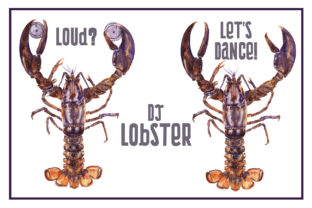
I recently received a request from a boutique seafood market launching a summer line of artisanal sauces and gift boxes. The client wanted something that felt coastal, handcrafted, and premium without looking like a generic stock photo. They needed a visual anchor for their brand identity that could scale across packaging, social media, and merchandise. This is where I turned to the Watercolor Lobster Clipart. As a designer who has sifted through countless assets in the creative marketplace, my first impression was immediate: this isn't just a cartoon; it is a textured, organic piece that breathes life into digital layouts.
The mood created by these Illustrations is distinctly warm and inviting. Unlike flat vector graphics that can feel sterile, the watercolor texture introduces depth and human touch. For a small business branding project, especially one rooted in handmade goods or local sourcing, this style signals authenticity. When I placed the asset on a mockup for a sauce jar label, the soft edges and subtle color variations made the product look approachable yet sophisticated. It immediately elevated the perceived value of the item, suggesting care and quality rather than mass production.
Evaluating Versatility Across Real Client Projects
In my workflow, a single graphic design asset needs to perform well across multiple touchpoints. I tested the Watercolor Lobster Clipart in various scenarios to see if it held up as a core element of a commercial design strategy. For packaging design, the transparency of the PNG files allowed me to layer the lobster over textured paper backgrounds seamlessly. The result was a cohesive look that worked beautifully for both rigid box packaging and flexible labels.
When shifting focus to social media graphics, the asset proved equally effective. I used it as a hero image for an Instagram post announcing the new summer menu. The vibrant reds and blues of the watercolor style popped against clean white space, drawing the eye immediately. For Canva templates intended for the client's internal marketing team, the clipart served as a perfect decorative accent, allowing non-designers to create professional-looking flyers and event invitations without needing advanced editing skills.
Beyond digital applications, I considered how this would translate to physical products. For a potential t-shirt design or tote bag collection, the organic shape of the lobster fits naturally with fabric textures. In sublimation design workflows, the lack of hard pixelated edges ensures that the print remains crisp even when stretched across curved surfaces like mugs or bottles. Furthermore, for Cricut projects or sticker designs, the detailed outline offers enough definition to be cut cleanly while retaining the artistic flair of the original painting.
Strategic Placement and Visual Hierarchy
Understanding where an asset shines is just as important as knowing what it looks like. The Watercolor Lobster Clipart works exceptionally well in large layout areas where it can serve as a focal point. In editorial design for a food blog or a magazine feature, placing this illustration next to a serif font creates a classic, high-end aesthetic. It also functions admirably as a supporting brand element in marketing visuals, such as website headers or email signatures, where it reinforces the coastal theme without overwhelming the text.
However, there are situations where caution is required. Because of the intricate watercolor splashes and gradients, using this asset in very small sizes can cause details to blur, potentially compromising readability. In crowded layouts or complex backgrounds, the soft edges might get lost, disrupting the visual hierarchy. If your project demands a stark, minimalist corporate look, this style might feel too playful. It is best reserved for brands that want to convey warmth, creativity, and a connection to nature or craftsmanship.
Technical Checks for Professional Use
Before committing any asset to a client project, I always run a series of technical checks. First, I test the Watercolor Lobster Clipart in black and white to ensure the contrast holds up for monochrome printing options. Next, I preview the file at both thumbnail size and full-page resolution to verify that the texture doesn't become muddy. I also inspect the PNG transparency carefully, ensuring there are no unwanted halos around the edges that could clash with colored backgrounds.
Font pairing is another critical step. I found that the softness of the watercolor style pairs beautifully with handwritten fonts for a personal touch or elegant script fonts for a luxury feel. Conversely, pairing it with a bold sans-serif font creates a modern, dynamic contrast that works well for contemporary web design. I also reviewed the file formats included in the design bundle. Having access to both high-resolution PNGs and editable SVGs is crucial for flexibility. The SVG format allows for scaling without quality loss, which is essential for large-format prints like banners or posters.
Licensing and Commercial Readiness
Finally, the most important aspect for any professional designer is the commercial license. Before integrating the Watercolor Lobster Clipart into a paid project, I verified the terms of use. Ensuring that the asset allows for unlimited commercial use, including resale on print-on-demand platforms or inclusion in Etsy products, is non-negotiable. Using assets without proper clearance can lead to legal issues and damage a brand's reputation. Once confirmed, this asset becomes a reliable tool in my toolkit for creating polished, engaging, and legally safe designs.
In conclusion, the Watercolor Lobster Clipart is more than just a cute image; it is a versatile digital product capable of elevating a wide range of design projects. From product mockups to small business branding, its ability to convey emotion and quality makes it a valuable addition to any creative library. Whether you are a marketer crafting a seasonal campaign or a crafter designing a new sticker sheet, this asset offers the perfect blend of artistry and utility.