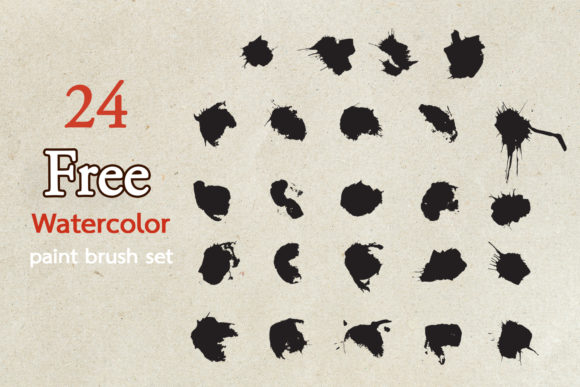
Watercolor Paint Brush Strokes Clipart Review
As a designer who has spent years translating digital art into tangible thread, I approach every new asset with a critical eye. When I first encountered the Watercolor Paint Brush Strokes Clipart, my immediate reaction was one of cautious optimism. The aesthetic is undeniably charming, capturing that fluid, artistic vibe that has become so popular in modern home decor and boutique apparel. However, the transition from a crisp PNG file to a stitched reality is where the true test lies. This review isn't just about whether the design looks good on a screen; it is about how it performs when you actually load it into your machine and pull it through fabric.
The Artistic Vision Versus Stitch Reality
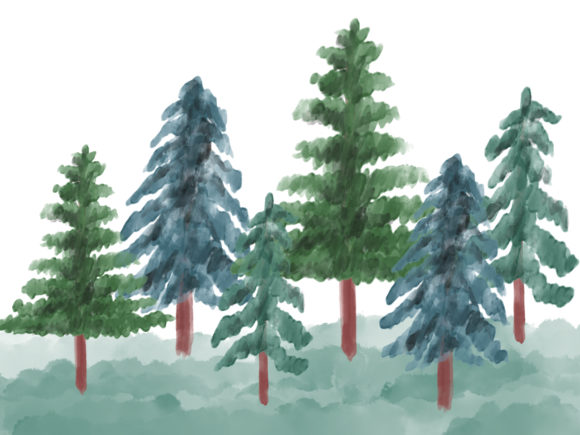
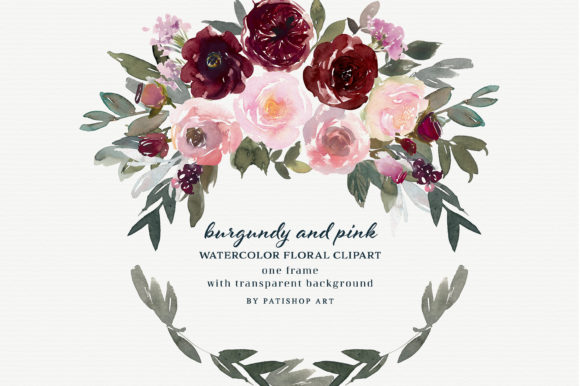
The visual personality of this clipart is defined by soft edges, blended colors, and an organic feel that mimics wet paint drying on paper. In the world of digital graphics, this is effortless. In embroidery, it presents a fascinating challenge. When converting a watercolor effect into a machine embroidery design, we are essentially trying to recreate a gradient with distinct threads. The success of the final piece depends entirely on how well the digitizer has managed the stitch density and the layering of fill stitch.
In my experience, designs that rely heavily on "soft" visuals often struggle if the stitch count is too low or if the underlay is insufficient. For the Watercolor Paint Brush Strokes Clipart, I found myself mentally mapping out the best way to execute the color transitions. A successful conversion would likely require a high number of small, overlapping satin stitches or a very fine fill stitch to mimic the bleed of watercolor. If the digitizing is poor, what should look like a dreamy wash of color can easily turn into a muddy, pixelated mess that lacks the intended elegance.
A Real-World Application: The Custom Tote Bag Project
To truly evaluate this asset, let's imagine a specific scenario. You are an Etsy seller preparing for the upcoming holiday season. You want to create a line of premium canvas tote bags featuring artistic, abstract backgrounds. You decide to use the Watercolor Paint Brush Strokes Clipart as the central motif on a natural-colored cotton bag.
This is a high-stakes project. Canvas is forgiving, but it has texture. If the design is too dense, the fabric will pucker, ruining the drape of the bag. If it is too sparse, the white background of the canvas might show through the gaps in the stitching, making the watercolor effect look broken rather than blended. As I visualize this embroidery project, I see the potential for a stunning handmade product that feels gallery-worthy. The organic shapes of the brush strokes complement the rustic texture of the canvas perfectly.
However, the customer's perception is everything. A buyer picking up this bag expects the "watercolor" look to be smooth. If the thread colors don't blend well due to poor placement, or if the hoop size forces the design to be smaller than intended, the illusion breaks. The design must be large enough to allow the eye to appreciate the flow of the strokes without getting lost in individual stitches. This is why testing the design on scrap fabric first is non-negotiable. You need to see how the fill stitch interacts with the weave of the canvas before committing to a full production run.
Navigating Fabric Challenges and Design Limitations
While the Watercolor Paint Brush Strokes Clipart shines on sturdy fabrics like denim, heavy cotton, or linen, it requires careful handling on other materials. I strongly advise against using this specific style on thin, stretchy fabrics like jersey knit without significant stabilization. The fluid nature of the design means there are no hard outlines to anchor the shape. On a sweatshirt or a baby onesie, the lack of a solid border could lead to shifting during stitching, resulting in a distorted image.
Furthermore, consider the stabilizer. Because watercolor effects often involve multiple layers of thread to achieve depth, the weight of the design can be significant. Using a cutaway stabilizer is usually safer for these types of digital embroidery files to prevent puckering, especially on items that will undergo frequent washing, like kitchen towels or aprons. If you are creating an embroidered patch from this design, ensure the backing is robust enough to support the density of the color blending.
Another critical consideration is the background color. Watercolor art relies on transparency and light. Placing this design on a dark fabric can completely alter its mood. The lighter tones in the brush strokes may disappear against a black or navy background, requiring a complete re-digitization with different thread colors to maintain visibility. Always compare light and dark fabric backgrounds in your mockups before purchasing or using the file for a client order.
Strategic Use for Small Business and Brand Consistency
For the creative entrepreneur running a craft business, consistency is key to building brand trust. The Watercolor Paint Brush Strokes Clipart offers a versatile aesthetic that can elevate a small shop product from generic to bespoke. Whether you are decorating pillow covers, holiday gifts, or personalized gifts, this design adds a touch of sophistication that appeals to a wide demographic.
However, as a professional reviewer, I must remind you to verify the licensing terms. Since this item falls under the category of Freebies, it is crucial to understand the commercial rights. Can you sell the finished embroidered item? Can you use it on products sold on Etsy? Some free assets are strictly for personal use, while others allow for limited commercial application. Never assume; always check the license before integrating it into your inventory. Selling a finished product based on a restricted file can lead to legal issues that jeopardize your entire business.
Practical Designer Notes for Success
If you decide to incorporate the Watercolor Paint Brush Strokes Clipart into your workflow, here are my top recommendations for ensuring a professional result:
- Test First: Always run a test on a piece of scrap fabric similar to your final material. Check for puckering and color blending.
- Check Contrast: Ensure the thread colors chosen provide enough contrast against the fabric to make the brush strokes visible.
- Review Density: Inspect the stitch density in your software. If areas look too thick, they may cause fabric distortion.
- Mockup Validation: Create a black and white printable mockup to see if the value structure holds up without relying solely on color.
- Stabilizer Choice: Use a tear-away or cutaway stabilizer appropriate for the fabric weight to support the design.
- Licensing Check: Confirm you have the right to sell items made with this embroidery file for your specific business model.
Ultimately, the Watercolor Paint Brush Strokes Clipart is a powerful tool for adding artistic flair to your work. It bridges the gap between traditional painting and modern textile art. But like any great design, its success depends on the skill of the maker. By understanding the limitations of the medium and respecting the technical requirements of machine embroidery, you can transform this digital asset into a beautiful, high-value physical product that your customers will love.