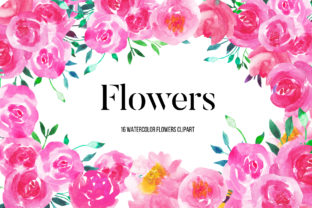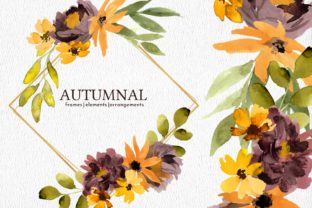
Autumn Watercolor Flowers Clipart Review
The First Impression: Mood and Visual Personality
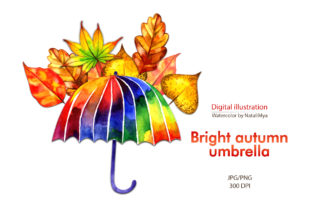
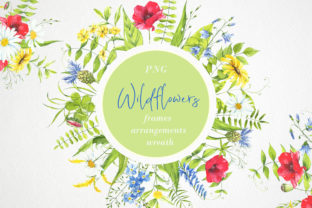
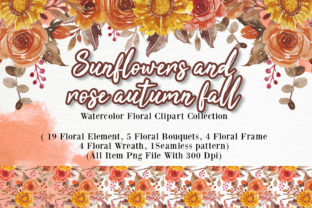
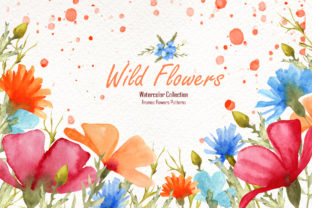
As a designer who spends countless hours curating assets for client projects, I approach every new Autumn Watercolor Flowers Clipart set with a critical eye. The moment you open this file within the Illustrations category, the immediate feeling is one of soft nostalgia. Unlike rigid vector shapes or high-contrast cartoons, these floral arrangements capture the fleeting, dreamy quality of fall foliage. The visual personality is gentle, organic, and deeply atmospheric. It screams "cozy sweater weather" before you even think about stitching.
However, translating a watercolor aesthetic into thread is where the real work begins. In my experience, watercolor styles rely heavily on gradients and soft edges to convey their mood. When evaluating Autumn Watercolor Flowers Clipart, I am looking at how those soft transitions might hold up against the mechanical nature of a machine embroidery design. Does it look like a painted flower, or will it turn into a muddy patch of thread? This distinction determines whether the asset becomes a star in your portfolio or a wasted hoop session.
A Real-World Test: The Custom Tote Bag Scenario
To truly understand the potential of this design, let's walk through a specific scenario. Imagine you are preparing a limited run of custom tote bags for an Etsy shop specializing in handmade gifts. You want something that feels artisanal but can be produced efficiently. You load the Autumn Watercolor Flowers Clipart into your digitizing software, aiming for a 5x7 inch placement on a natural canvas tote.
In this context, the design shines because the floral layout is balanced yet loose. It doesn't demand a perfectly centered, symmetrical look, which is perfect for the slightly uneven texture of canvas. As you visualize the stitch path, you notice that the petals are designed with enough separation to allow for distinct fill stitch areas without overwhelming the fabric. If you were to use this on a sweatshirt embroidery project, the same logic applies; the organic shapes drape well over the curves of a hoodie pocket, avoiding the stiffness that often plagues overly dense designs.
For a small business owner, this versatility is key. Whether you are creating a personalized gift for a wedding or stocking shelves with holiday embroidery items, the ability to adapt the design to different product types increases its value. A customer holding a tote bag with this delicate floral motif perceives higher craftsmanship than if the design were a generic clip art shape slapped onto the fabric.
Navigating Fabric Textures and Hoop Sizes
While the aesthetic appeal is high, practical application requires caution. One of the first things I check when reviewing any digital embroidery file is how it interacts with stitch density. Watercolor effects often require lighter coverage to maintain that airy feel. If you attempt to stitch Autumn Watercolor Flowers Clipart on a heavy, textured fabric like a thick denim jacket or a plush fleece blanket, the soft details may get lost in the weave.
I strongly advise testing the design on scrap fabric first. For thin fabrics like tea towels or baby clothes, you must ensure the stabilizer is appropriate to prevent puckering. If the design includes fine lines meant to mimic brush strokes, they might not translate well as a standard running stitch on stretchy materials. On a cap, the curved surface could distort the delicate petals unless the design has been specifically optimized for that curvature.
Furthermore, consider the hoop size. While the full arrangement looks stunning, breaking it down into smaller motifs for an embroidered patch or a baby bib requires careful selection. Tiny lettering or intricate corners in the original illustration might become indistinguishable when scaled down. Always inspect the smallest details in your software before committing to a commercial run. If the design relies on subtle color blending, verify that your thread colors can achieve that effect without requiring an excessive number of thread changes, which slows down production and increases costs.
Visual Appeal and Product Value
When executed correctly, Autumn Watercolor Flowers Clipart significantly elevates the perceived value of a finished product. In the competitive world of craft businesses and boutique branding, customers are drawn to unique, handcrafted aesthetics. This design offers a sophisticated alternative to bold, graphic logos. It suggests a level of care and artistic intent that resonates with buyers looking for meaningful, personalized products.
Think about the buyer engagement on platforms like Etsy. A listing featuring a mockup of a pillow cover with these autumnal flowers will likely attract more clicks than a plain geometric pattern. The emotional connection to the season—warmth, harvest, comfort—is powerful. By using this design, you are not just selling a stitched item; you are selling a seasonal feeling. This enhances brand consistency for shops that focus on cozy, homey vibes.
However, maintaining professionalism is crucial. If the stitching looks messy or the colors clash due to poor planning, the illusion of the watercolor style breaks instantly. Ensure your thread colors contrast well with the background fabric. A light pastel flower on a dark grey sweatshirt might need a bright outline to pop, whereas the same flower on a cream-colored apron might need a darker shade to define the edges. Testing in black and white mockups can help you assess the contrast before purchasing expensive threads.
Practical Designer Notes for Success
- Test Run: Always stitch out a sample on the actual fabric type you plan to use. Check for tension issues, especially in areas where the watercolor gradient is simulated.
- Stabilizer Choice: Use a cutaway stabilizer for stretchy fabrics like sweatshirts to maintain the integrity of the floral shapes. For woven cottons, a tear-away might suffice.
- Color Strategy: Select thread colors that mimic the depth of watercolors. Avoid flat, single-tone fills if the design intends to show shading. Layering colors can enhance the realism.
- Licensing Check: Before selling finished items or offering this as a digital product, confirm the licensing terms. Ensure you have the right to use the design for commercial embroidery projects.
- Detail Inspection: Zoom in on the file to check for tiny gaps or isolated points that could cause thread breakage during stitching.
Final Thoughts on Versatility
Autumn Watercolor Flowers Clipart is a robust asset for designers who understand the nuances of translating art into thread. It is not a "set it and forget it" file; it demands attention to detail regarding fabric choice, stabilizer usage, and color selection. But for those willing to put in the effort, the payoff is a collection of handmade products that stand out in a crowded market.
Whether you are decorating nursery decor, creating holiday gifts, or building a line of custom apparel, this design offers a fresh take on seasonal themes. It bridges the gap between digital illustration and tangible textile art. By respecting the limitations of the medium and leveraging the strengths of the design, you can create pieces that customers will cherish. Remember, the best embroidery comes from a place of thoughtful preparation and creative judgment, turning a simple digital file into a lasting memory stitched in thread.