Watercolor Flower Clipart. Wildflowers Review
As a designer who has spent years translating digital art into tangible stitched goods, I approach every new machine embroidery design with a mix of excitement and skepticism. The gap between a beautiful screen image and a successful finished product can be wide. Recently, I examined the Watercolor Flower Clipart. Wildflowers set to see if it holds up under the scrutiny of real-world production. This is not just another review; it is a practical evaluation for those of you running craft businesses, selling on Etsy, or simply looking to elevate your handmade portfolio.
The First Impression: Softness Meets Structure
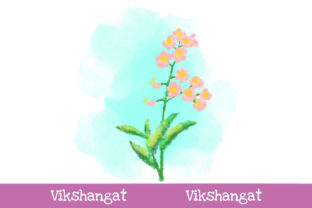
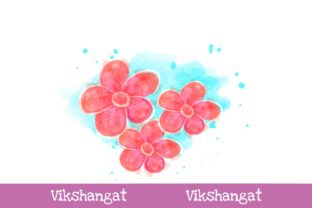
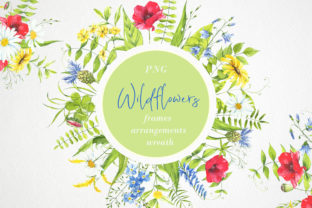
When I first opened the Illustrations file for Watercolor Flower Clipart. Wildflowers, the immediate mood was one of organic elegance. Unlike rigid vector graphics that often look too mechanical when stitched, these wildflowers carry a fluidity that mimics actual paint strokes. For an embroidery project, this aesthetic suggests a need for careful stitch planning. The visual personality here is delicate yet vibrant, making it ideal for projects where softness is key, such as nursery decor or spring-themed boutique items.
The layout feels balanced, offering enough negative space to prevent the design from becoming a muddy blob once the needle hits the fabric. However, the watercolor effect relies heavily on gradients and subtle color blending. In the world of digital embroidery files, this presents a specific challenge: how do we replicate that bleeding ink look using thread? It requires a strategic approach to fill stitch and running stitch density to maintain the illusion of soft edges without losing definition.
A Real-World Test: The Custom Tote Bag Scenario
To truly understand the potential of Watercolor Flower Clipart. Wildflowers, I visualized a specific use case: a custom embroidered tote bag for a local artisan market. Imagine a sturdy, natural canvas bag intended to carry groceries or art supplies. The goal is to create a piece that feels premium and handcrafted.
In this scenario, the wildflower theme shines. The organic shapes complement the texture of the canvas perfectly. If I were to place this design on the lower corner of the bag, the flowing lines would guide the eye naturally across the surface. The thread colors would need to be selected carefully—perhaps soft pastels like sage green, dusty rose, and lavender against the cream background. The result would be a tote bag design that stands out in a sea of printed logos, appealing to customers who value unique, handmade products.
However, the transition from digital to physical is where the magic happens or fails. If the stitch density is too high, the watercolor effect becomes a solid block of thread, losing its charm. If it is too low, the design might show gaps, especially on a textured fabric like canvas. As an experienced reviewer, I would advise testing this specific embroidery file on a scrap piece of the exact canvas you plan to use. Check how the stabilizer interacts with the fabric to ensure the design lays flat and doesn't pucker.
Navigating Fabric and Hoop Challenges
While Watercolor Flower Clipart. Wildflowers looks promising, there are scenarios where caution is required. Not all fabrics treat delicate designs kindly. On thin or stretchy fabrics, such as jersey knit for t-shirts, the intricate details of the petals could distort. The tension required to hold the hoop tight might pull the fabric, warping the gentle curves of the wildflowers. For custom apparel made from knits, you would likely need a heavy-duty cutaway stabilizer and potentially a larger hoop size to minimize stress on the material.
Similarly, dark fabrics present a significant hurdle. Watercolor effects rely on light backgrounds to show their transparency and layering. Stitching these flowers directly onto black denim or navy cotton could make them disappear unless you use a white underlay or an applique design technique. Even then, the subtle gradations might get lost. This is why I always recommend creating a printable mockup in both light and dark variations before committing to a large batch of production.
Another area to watch is curved surfaces like caps. While a small cluster of wildflowers could work on a baseball cap, the complex angles of the brim might cause stitching issues with the longer stems or wider blooms found in the Watercolor Flower Clipart. Wildflowers collection. Always check the embroidery file specifications to ensure the design fits within the standard 4x4 or 5x7 inch hoops typically used for hats.
Commercial Viability and Brand Consistency
For the Etsy seller or small shop owner, the value of a design lies in its ability to sell. Watercolor Flower Clipart. Wildflowers offers a distinct aesthetic that aligns well with current trends in bohemian and cottage-core styles. Using this design asset can help differentiate your brand from competitors relying on generic clip art.
Consider the customer journey. When a buyer sees a personalized gift featuring these wildflowers, they perceive care and artistry. Whether it is a baby embroidery item like a onesie or a wedding gift such as a pillow cover, the design elevates the perceived value of the item. It signals that the creator understands texture, color theory, and composition. This builds customer trust and encourages repeat business.
However, professional presentation is non-negotiable. Before listing your finished product, inspect the stitching for any loose threads or uneven satin stitch edges. Ensure the commercial embroidery licensing allows you to sell the final goods. Many designers offer personal licenses by default, so verify the terms before scaling your craft business. If you plan to sell the digital embroidery file itself, you must have explicit permission to redistribute.
Practical Designer Notes for Success
- Test on Scrap Fabric: Never skip the test run. Stitch the design on a spare piece of your intended material to check stitch density and thread consumption.
- Color Contrast Matters: Ensure the thread colors pop against the fabric. Subtle watercolors need a clean background to breathe.
- Stabilizer is Key: Use the right type of stabilizer for your fabric weight. A tear-away might suffice for cotton, but a wash-away or cutaway is better for delicate or stretchy materials.
- Mockup Verification: Create printable mockups to visualize how the design looks on different products like sweatshirts, aprons, or kitchen towels before investing in inventory.
- Licensing Check: Confirm whether the license covers commercial sales of finished goods or just personal use. This protects your business from legal issues.
Final Thoughts on the Design
In conclusion, Watercolor Flower Clipart. Wildflowers is a versatile and charming addition to any embroidery project library, provided it is used with intention. It excels on medium-weight fabrics where the watercolor aesthetic can be fully appreciated without distortion. It is perfect for creating holiday embroidery gifts, custom apparel with a feminine touch, or unique embroidered patches for a niche audience.
While it may require extra attention to detail regarding hoop size and stitch density, the payoff in visual appeal is worth the effort. For the creative entrepreneur looking to add a touch of nature-inspired elegance to their catalog, this design offers a strong foundation. Just remember, the best machine embroidery design is only as good as the execution. Take your time, test thoroughly, and let the wildflowers bloom beautifully on your next creation.