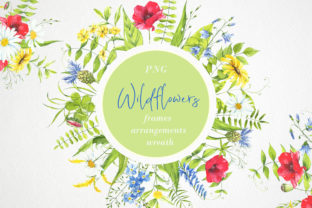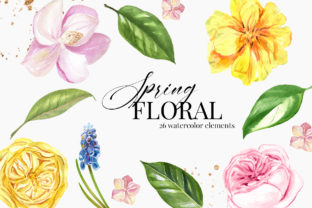
Watercolor Spring Flower Clipart & Illustrations
As a digital publisher who has spent years refining the visual language of content websites, I know that the first thing a reader judges is not the headline, but the mood set by the imagery. When I first encountered Watercolor Spring Flower Clipart, it immediately stood out as a versatile graphic design asset capable of elevating standard blog posts into polished editorial experiences. This collection of Illustrations does not merely add decoration; it establishes an emotional tone that feels organic, fresh, and inviting. For bloggers and small business owners aiming to build trust and engagement, selecting the right creative design elements is crucial for defining your brand identity.
The Editorial Mood and Visual Impact
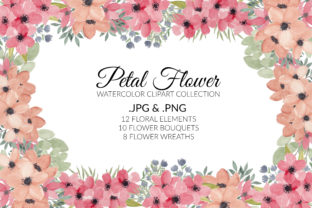
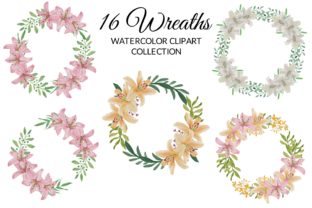
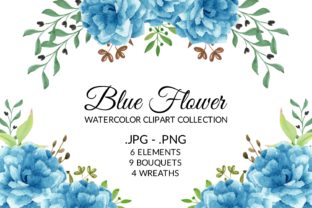
The immediate impression of this clipart is one of gentle sophistication. Unlike rigid vector graphics or overly saturated stock photos, these watercolor textures bring a sense of human touch and artistic flair to digital spaces. The soft edges and blended hues create a lifestyle-focused atmosphere that resonates deeply with audiences in niches such as wellness, home decor, gardening, parenting, and seasonal content. It feels feminine yet professional, playful yet refined. In the world of web design, where attention spans are fleeting, this type of artistic imagery helps slow down the scroll, encouraging readers to linger on your page.
When integrating Watercolor Spring Flower Clipart into a layout, you are effectively curating a visual hierarchy that guides the eye without overwhelming it. The transparency inherent in watercolor styles allows text to sit comfortably over or beside the images, ensuring readability remains high. This is a critical factor for content marketing strategies where the message must remain clear while the visuals provide context and emotion.
Real-World Publishing Applications
In my workflow, I rarely use a single design asset for just one purpose. Instead, I look for versatility. This collection of Illustrations shines across multiple platforms and formats. Here is how I envision deploying these assets in real publishing scenarios:
- Blog Featured Images: Use these flowers as accents in hero sections to break up solid color backgrounds or frame your main headlines. They instantly signal a seasonal theme or a fresh update.
- Pinterest Pins: Pinterest is a visual search engine, and these graphics perform exceptionally well there. Layering them over text-heavy pins creates a "designed" look that stands out in crowded feeds.
- Digital Guides and Lead Magnets: If you are creating a downloadable resource like a spring cleaning checklist or a gardening guide, using this clipart on the cover transforms a simple PDF into a premium digital product.
- Newsletter Headers: Email open rates can be influenced by the preview image. A splash of watercolor art in your newsletter header adds a personal touch that feels less corporate and more community-driven.
- Social Media Graphics: From Instagram stories to Facebook ads, these assets work beautifully as overlays or background elements to promote affiliate offers or new blog posts.
- Canva Templates: Import these files into Canva to build custom templates for your team or clients, ensuring consistent branding across all social media graphics.
Boosting Content Performance Through Design
The strategic use of Watercolor Spring Flower Clipart goes beyond aesthetics; it directly impacts performance metrics. A stronger first impression leads to lower bounce rates. When a visitor lands on a page that looks professionally designed, their perception of your authority increases. This improved reader trust is essential for affiliate marketing, where credibility is the currency of conversion.
Furthermore, consistent use of specific design assets builds a recognizable visual identity. When a user sees your unique blend of typography and floral illustrations across your website header, category thumbnails, and social media previews, they begin to associate that style with your brand. This consistency makes your content more memorable and clickable. In a saturated digital marketplace, having a distinct visual voice can be the difference between a casual browser and a loyal subscriber.
Strategic Placement and Usage Guidelines
While this asset is highly versatile, knowing where to apply it—and where to exercise caution—is key to maintaining a modern design aesthetic. These Illustrations work best in hero images, article thumbnails, and as editorial accents within long-form content. They are also perfect for printable designs and content upgrades where a tactile, artistic feel is desired.
However, there are contexts where this style should be used carefully. Avoid using large, complex floral clusters on small mobile thumbnails where details may blur or become indistinguishable. Similarly, if your blog post is extremely text-heavy, ensure the contrast between the white space and the watercolor elements is sufficient so the text remains legible. For serious professional niches like legal advice, corporate finance, or medical news, this playful, decorative style might clash with the required tone of gravity and minimalism. Always consider your audience's expectations before applying a whimsical design element to serious topics.
Practical Publisher Notes for Implementation
Before committing to a full rollout of any graphic design asset, I follow a strict testing protocol. First, test the images on both desktop and mobile screens. What looks elegant on a 27-inch monitor might appear cluttered on a smartphone. Check how the clipart renders as a thumbnail; if the flowers get lost at small sizes, adjust the composition or use a simpler variant from the pack.
Preview the asset inside your actual blog layout. Does it harmonize with your existing color palette? Try pairing it with different font styles: serif fonts often pair beautifully with the classic feel of watercolor, while sans-serif fonts offer a modern contrast. Script and handwritten fonts can enhance the organic vibe, whereas display fonts might compete for attention. Always check contrast and readability, especially if placing text over the images.
From a technical standpoint, review the file size. Large, uncompressed images can slow down your site, hurting SEO and user experience. Compress images properly before uploading. Finally, and most importantly, confirm the commercial licensing terms. Ensure you have the rights to use these Illustrations on monetized websites, affiliate pages, or paid content products like eBooks and courses. Never assume a free download includes a commercial license; always verify to protect your business.
Final Thoughts on Creative Assets
For digital entrepreneurs, online educators, and content creators, Watercolor Spring Flower Clipart represents more than just a download; it is a tool for storytelling. It allows you to inject personality into your digital presence without needing advanced design skills. By thoughtfully integrating these assets into your editorial design, you create a cohesive, trustworthy, and visually appealing environment that invites readers to stay longer and engage deeper. Whether you are building a niche blog, launching a digital guide, or refreshing your small business branding, the right creative design choices make all the difference.