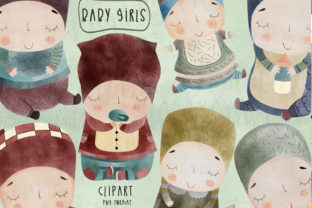
Watercolor Baby Girl Digital Clipart Review
As a designer who has spent years navigating the gap between digital art and physical stitching, I approach every new asset with a critical eye. The market is flooded with generic graphics, but finding a piece that translates well from screen to fabric requires specific judgment. Recently, I evaluated Watercolor Baby Girl Digital Clipart to see if it holds up under the scrutiny of real-world embroidery projects. This isn't just about how pretty an image looks on a monitor; it is about how those soft edges and blended colors survive the rigors of a machine needle and thread.
The First Impression: Mood and Visual Potential
When I first opened the file for Watercolor Baby Girl Digital Clipart, the immediate feeling was one of gentle nostalgia. The design leans heavily into the soft, dreamy aesthetic that defines modern nursery decor. Unlike sharp vector line art which can feel rigid when stitched, this illustration mimics the organic flow of watercolor paint. For an embroidery project intended for baby clothes or nursery accents, this mood is essential. It suggests tenderness and warmth, qualities that parents actively seek when shopping for personalized gifts.
However, the visual personality presents a unique challenge. Watercolor effects rely on gradients and transparency. In the world of machine embroidery design, we cannot replicate true transparency. We must simulate these effects using fill stitch density and thread colors. My initial assessment is that this clipart works best when the design is simplified slightly during the digitizing phase. If you attempt to stitch every subtle wash of color found in the original Illustrations category, you risk creating a muddy, overly dense patch that loses its airy charm.
Real-World Application: From Concept to Tote Bag
To truly test the viability of Watercolor Baby Girl Digital Clipart, I imagined a specific scenario: creating a custom embroidered tote bag for a boutique shop specializing in handmade baby items. The goal was to produce a finished product that feels high-end yet accessible. I visualized placing the design on a natural canvas tote, centered on the front panel.
In this context, the soft shapes of the girl's dress and hair would benefit from a lighter stitch density. By reducing the coverage percentage in the fill areas, the texture of the canvas would show through, mimicking the translucent quality of watercolor paint. This technique transforms a standard tote bag design into something that feels artisanal rather than mass-produced. For an Etsy seller or small business owner, this level of detail is what separates a commodity from a brand.
I also considered how this design would perform on sweatshirt embroidery. A baby onesie or a toddler sweatshirt often requires a softer hand-feel. Here, the running stitch could be used to outline the main features without adding bulk, while the fill stitch remains sparse. This ensures the garment remains comfortable for a child while maintaining the visual integrity of the Watercolor Baby Girl Digital Clipart. The result is a personalized gift that customers will want to wear repeatedly, knowing it won't itch or stiffen after a few washes.
Navigating Fabric Challenges and Technical Limits
While the aesthetic appeal is strong, practical application requires caution. Not all fabrics are created equal, and Watercolor Baby Girl Digital Clipart demands careful selection of your base material. On textured fabrics like linen or heavy denim, the delicate nature of the watercolor effect might get lost. The uneven surface can disrupt the smooth blending of thread colors, making the design look jagged rather than fluid.
Furthermore, working with dark fabrics presents a significant hurdle. Watercolor designs typically feature light pastels and white highlights. Stitching these directly onto black or navy blue fabric requires a substantial amount of underlay and potentially a backing layer to prevent the dark fabric from showing through the lighter stitches. Without proper preparation, the design may appear dull or lack the vibrancy needed for a professional handmade product.
Stretchy fabrics, such as jersey knit for t-shirts, also require attention. If the hoop size is too large or the tension is incorrect, the stretching of the fabric during stitching can distort the organic lines of the clipart. Always use a tear-away or cut-away stabilizer appropriate for the fabric weight to maintain the shape of the embroidered patch or applique design. Additionally, avoid using this design on curved surfaces like caps unless you are willing to significantly simplify the details. The complex curves of a watercolor style do not translate well to the tight radius of a hat panel without distorting the final image.
Strategic Advice for Designers and Makers
If you decide to incorporate Watercolor Baby Girl Digital Clipart into your catalog, there are several steps to ensure success. First, always test the design on scrap fabric that matches your final project. Check the stitch density and adjust it until the watercolor illusion is achieved without excessive thread usage. This step is crucial for maintaining cost efficiency in commercial embroidery.
Second, review your thread colors carefully. You may need to mix custom shades to achieve the specific pastel tones required by the design. Standard thread charts often lack the nuanced grays and blues needed for a true watercolor look. Third, confirm the licensing terms. While many digital product sellers offer commercial rights, you must verify that you are allowed to sell finished goods or create printable mockups based on this asset. Never assume a license covers all uses; clarity here protects your craft business from legal issues.
Finally, consider the overall composition. Does the design stand alone, or does it need accompanying text? For baby embroidery, pairing the clipart with a simple, elegant font can elevate the piece. However, keep lettering minimal. Tiny text often gets lost in the intricate details of a watercolor style, especially when viewed from a distance on a kitchen towel or pillow cover.
Final Verdict on Commercial Viability
Watercolor Baby Girl Digital Clipart offers a distinct advantage for designers looking to add a touch of softness and emotion to their work. It fits perfectly within the current trends for nursery decor, holiday embroidery, and boutique branding. When executed with care—respecting the limitations of thread and fabric—it creates a finished product that resonates deeply with buyers.
For the small shop owner or creative entrepreneur, this asset provides a foundation for high-value items that justify a premium price point. The key lies in the execution. Do not simply digitize the image as-is. Treat it as a starting point for creative interpretation. By adjusting fill stitch patterns, selecting the right fabric texture, and testing thoroughly, you can turn this digital clipart into a tangible masterpiece that builds customer trust and enhances your brand's reputation. Whether you are making a single personalized gift or launching a line of custom apparel, this design has the potential to be a standout addition to your portfolio, provided you respect the technical realities of the craft.